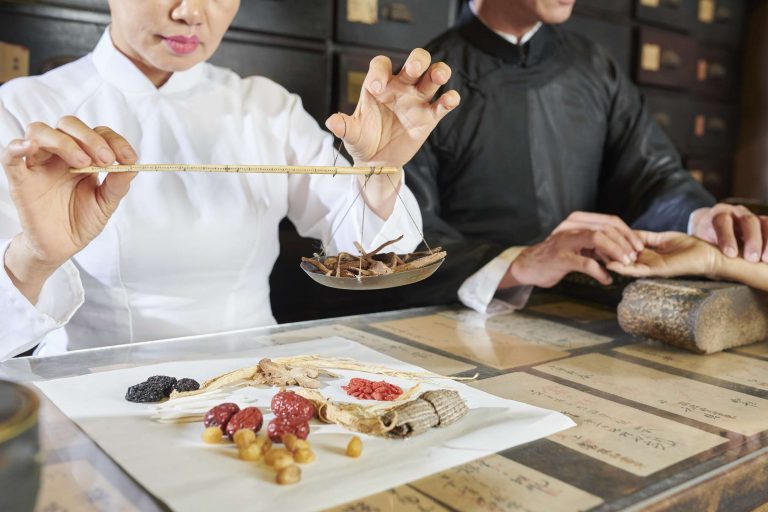

Restraint is probably the least understood but most impactful attribute when it comes to authentic visual style. In a culture that often lauds more-is-better, being deliberate about using fewer items, less contrast, less colors etc. has the potential to create some of the most powerful and long-lasting visual statements. Elegance is as much about what you leave out as much as what you include. Air. Automatic decisions. Restraint isn’t a lack of courage. Restraint is having so much confidence in what is left after you have edited that you know the remaining ingredients will deliver the intended message in the best way possible.
Some of the most iconic works of art and design have made themselves legendary by the removal of things. Wabi-sabi, Bauhaus, Agnes Martin. If there is one thing to learn from the masters, it is that when you take away as much as you can, you end up with the most powerful outcome. Even when you see works from the Baroque period, the most classic of these pieces still feel disciplined in what is used and nothing is excessive. The lesson to be learned here is that an abundance of resources can make for chaos and a lack of resources can make for safe work. But the equilibrium of both can make for great work.
Restraint in everyday design is about exercising the sort of tact that differentiates great fashion from fashion that is merely fashionable. If you buy only a few clothes of similar color, you look like someone who has mastered the art of understatement. If you do the opposite, you’re just someone with a lot of clothes. If you decide to decorate your room with just a few select items, you look tasteful. If you do the opposite, you look disorganized. Similarly, when you’re taking photos, if you have a clear focus and leave a lot of negative space, you look professional. If you do the opposite, you look amateurish. The same goes for digital interfaces. All of the above would be hard to accomplish if you don’t learn the value of restraint.
But restraint is a learned trait, and I think the main reason is that our instinct, as fledgling creatives, is to add. We fill every available space, pile on every effect, because we secretly believe that if we don’t, our work will look amateur. That’s why the best cure is to perform a regular series of editing exercises: Start with a crowded piece, and simply remove, one by one, until you feel that it’s improved with each removal. After a while, you’ll have a visceral understanding of when something is sufficient, rather than merely incomplete. Plus, you’ll be patient enough to give yourself the time to know whether that white space is doing something, or whether there’s really just something missing. It’s a painful process, but it’s worth it.
In the end, restraint is a sign of visual maturity. It shows that the creator has passed through the phase of needing to show off the breadth of their understanding, and has entered the period of confidence where they know what is important and can focus on those things. For them, taste is no longer dictated by others, or by the season. It is dictated by a commitment to efficiency, to clarity, to just the right balance. The restrained gain the ability to communicate the most by saying the least, and it is an artistic privilege to join the legion of visual communicators who have learned that sometimes the most powerful statements are the ones whispered.